
System
Assessment
Diagnostics, baselines and field evidence build a shared view of performance, root causes and the priorities that need coordinated attention.

Explore the programs Mission SOAR has launched across schools, teacher development, student learning, assessment and system infrastructure.
Three program areas organise the Mission’s work.
The areas operate together: evidence guides priorities, system capacity enables action, and schools translate change into everyday practice.
Diagnostics, baselines and field evidence build a shared view of performance, root causes and the priorities that need coordinated attention.
Leadership, governance, professional capability, data use and implementation routines strengthen the system’s ability to turn intent into sustained action.
Leadership, teaching, school culture, student support and improvement planning are addressed together so progress becomes part of everyday school practice.
Ideas brought into our schools and public institutions.
Explore the programs by the area of work they advance and the public institutions involved.
5Showing 5 of 5 programs

Nagaland’s school-quality assessment platform supports structured daily reporting, reflection and improvement planning, beginning with a pilot involving 114 government school principals and 16 monitoring officers.

An internationally benchmarked baseline assessment that will help Nagaland understand how students apply learning in reading, mathematics and science, and use the evidence to set system priorities.

A statewide collaboration with Google for Education to provide secure productivity and learning tools to government schools, strengthen communication and enable shared digital work across districts.

Practical workshops help public institutions use artificial intelligence responsibly for academic work, assessment design, textbook development and everyday office productivity.

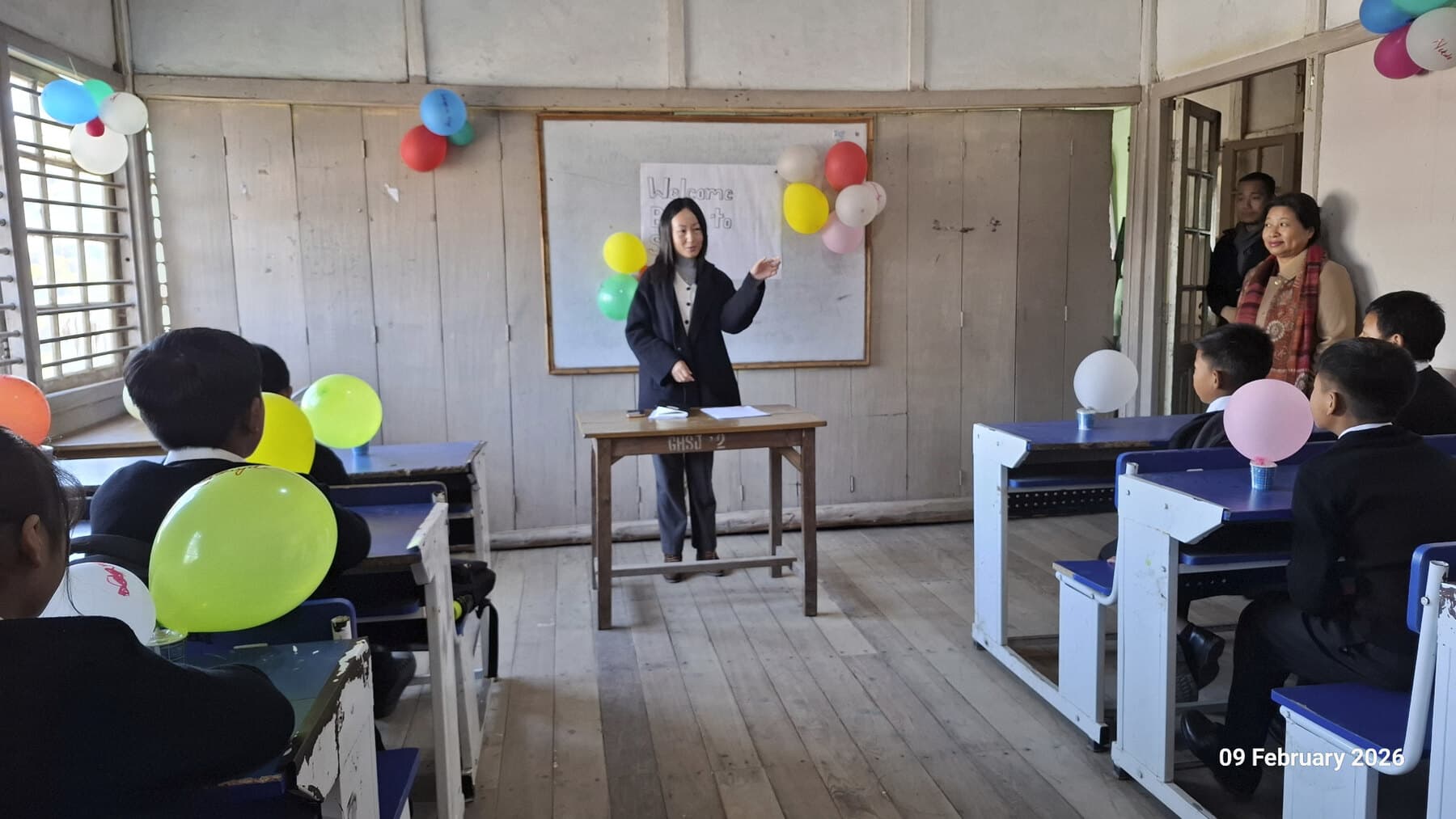
Three Mission SOAR Lab Schools and eight DIET Lab Schools provide real settings for testing, refining and learning how promising practices can be implemented well before wider adoption.