

01
Ground the work in Nagaland
- Understand and respect Nagaland’s culture and heritage.
- Build motivation, ambition and aspiration among people.
- Study what has already been tried and learned.
- Contextualise every approach to Nagaland.

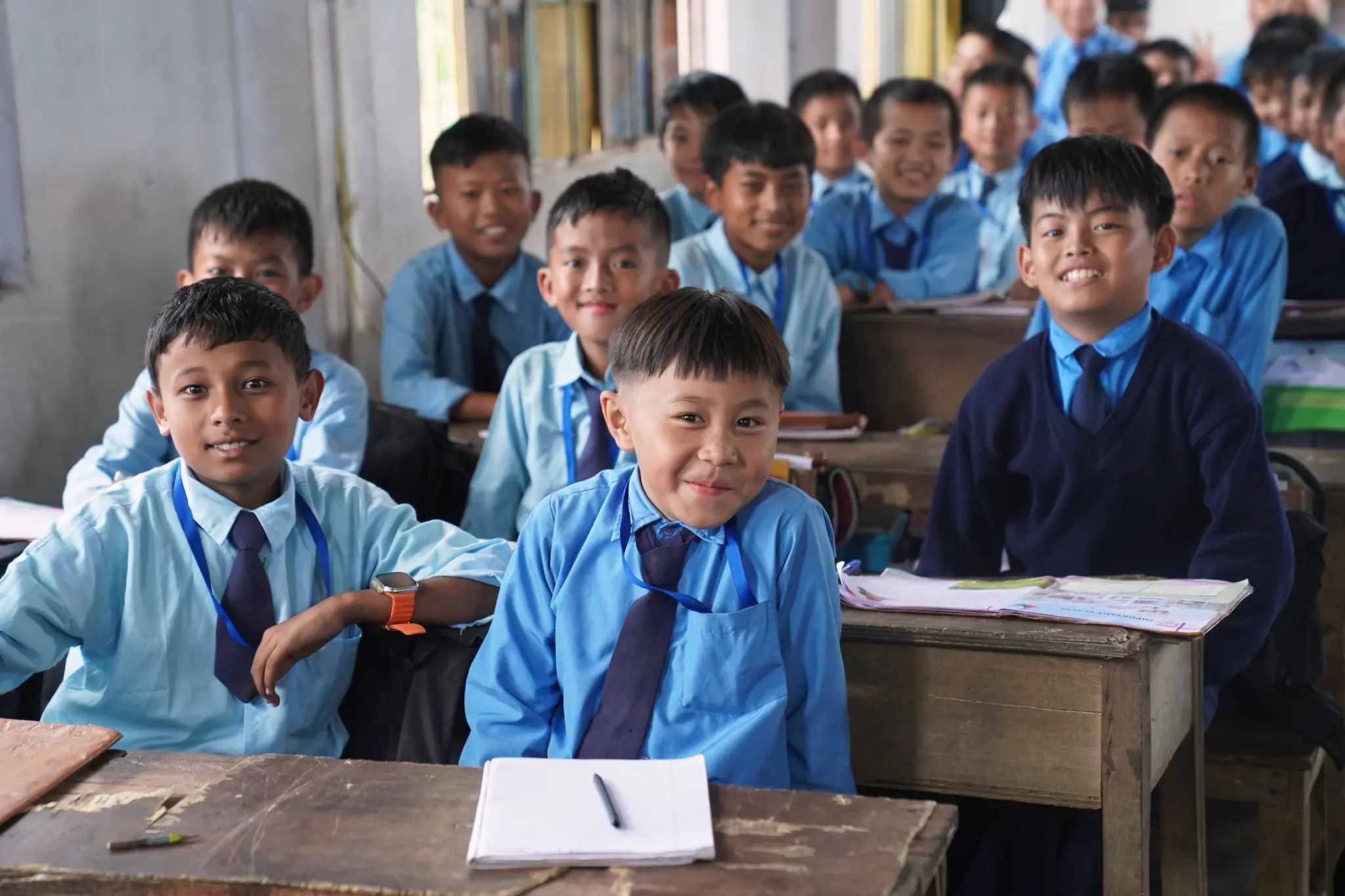
Mission SOAR studies persistent challenges in school education, designs responses for Nagaland, tests them in practice, and helps the state build the capacity to sustain change.
114 government school principals and 16 monitoring officers began using Nagaland’s new school-quality assessment platform.
Mission SOAR is a five-year education reform partnership between the Department of School Education, Government of Nagaland, Elevate Foundation and Shikha Institute.
Education reform has no silver bullet.
What happens in a classroom is shaped by many connected conditions: curriculum, teaching, leadership, assessment, staffing, data, professional support, governance and resources. Improving one part while the constraints around it stay unchanged can produce gains that are temporary, uneven or difficult to scale.
Mission SOAR therefore works with a systems lens. We begin with the visible challenge, diagnose its root causes, and map the relationships and dependencies that keep it in place. This helps us identify a coordinated set of changes—not a single intervention—and sequence them so that each strengthens the others.
How we approach change.
These principles guide how Mission SOAR understands Nagaland, designs reform, works with public institutions and builds change that can last.
01
02
03
04
Four simultaneous strategies to transform education.
These strategies operate together. Assessment identifies what needs attention; system strengthening builds the capacity to respond; school transformation changes daily practice; and shared assets make improvement easier to sustain.
Building a shared picture of how the education system performs and why. Diagnostic studies, baseline assessments and field evidence reveal root causes, variation and pressure points, helping the state decide what to address first.
Improving the institutions and operating conditions that turn policy into practice. This includes leadership, governance, implementation routines, professional capability, data use and coordination across the public system.
Improving the connected conditions students and teachers experience every day. School leadership, teaching, culture, student support and improvement planning are strengthened together so progress in one area reinforces the others.
Creating shared infrastructure that makes good practice easier to adopt and sustain. Platforms, training courses, frameworks, tools and learning resources are designed for continued use and improvement by Nagaland’s education system.
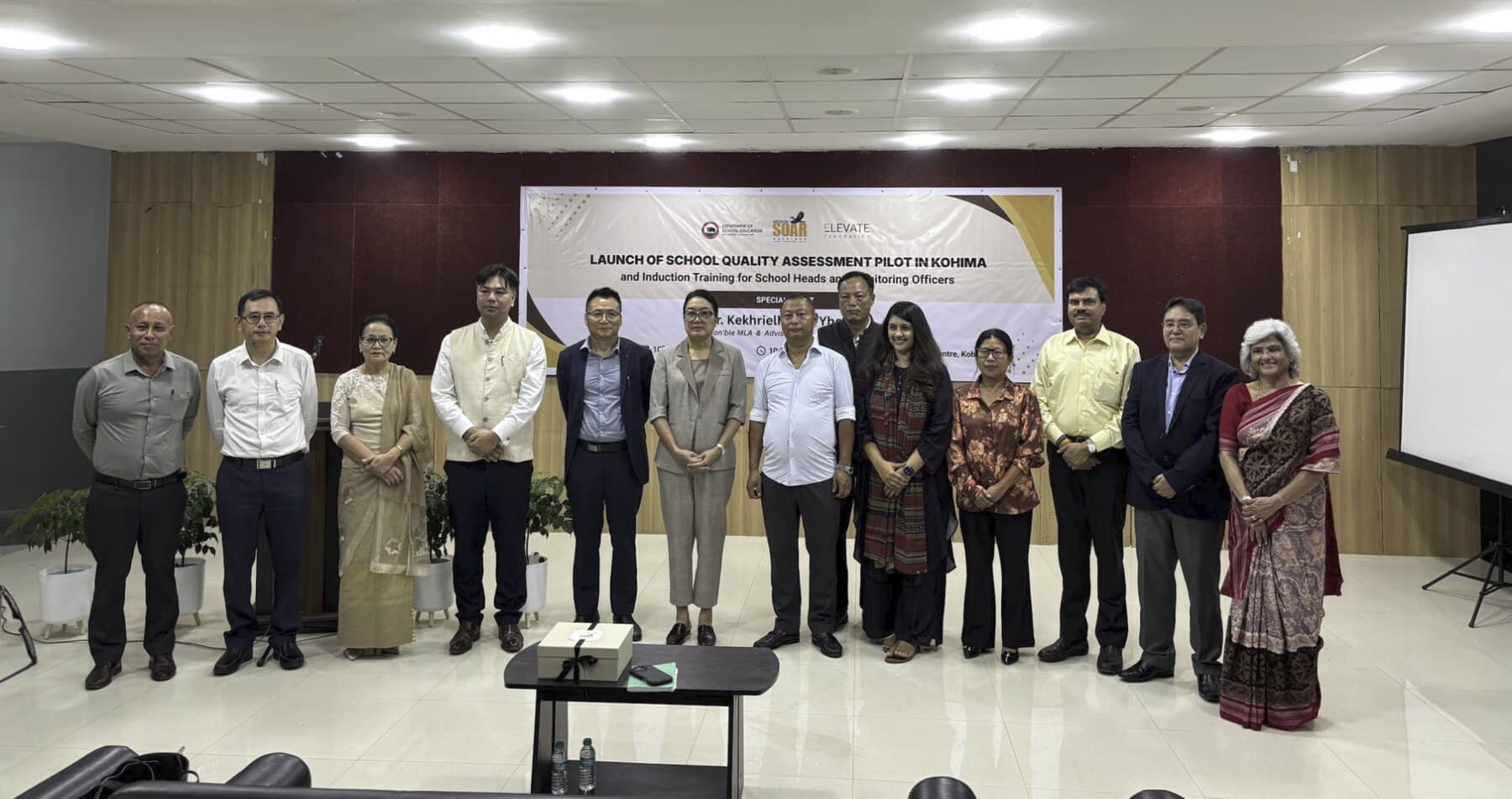
 Pilot & training
Nagaland’s first school quality assessment pilot launched with 114 government school principals and 16 monitoring officers trained on STELLA.
Read Update
 Google for Education
The Department signed an MoU with Google for Education India to bring digital collaboration tools to government schools across Nagaland.
Read Update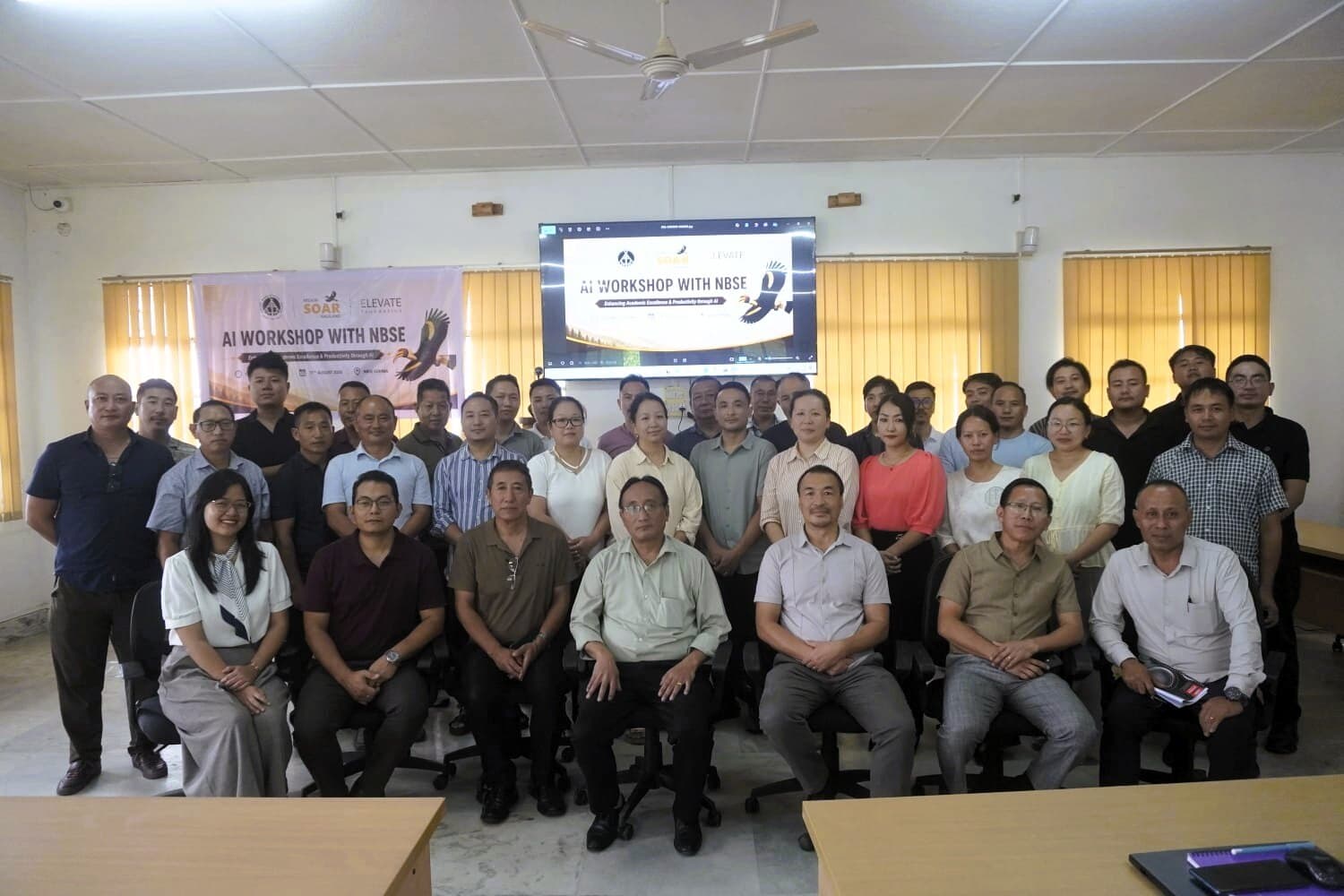
NBSE officers and academic staff explored practical uses of AI for assessment design, office productivity and education quality improvement.
Read Update